
A strong online presence is crucial for any business aiming to thrive. Among the many digital marketing strategies, social media integration for SEO stands out as a powerful tool to boost visibility, drive organic traffic, and enhance brand awareness. However, for beginners, navigating this landscape can be daunting. The challenge lies in understanding how to leverage various social media platforms effectively to elevate a brand's search rankings without getting lost in the vast sea of content. This step-by-step guide aims to demystify the process, providing clear strategies and practical advice to harness the full potential of social media integration for SEO.
- Assess Your Business Goals for Social Media Integration
- Choose the Right Platforms for Your Target Audience
- Define Your Content Strategy for Maximum Engagement
- Build and Optimize Your Brand's Social Media Profiles
- Implement Effective Social Media Advertising Campaigns
- Measure and Analyze Performance for Continuous Improvement
- Enhance SEO with Strategic Social Media Integration
Assess Your Business Goals for Social Media Integration

Assessing your business goals is the cornerstone of any successful social media integration strategy, especially for beginners. Before examining the same-day social media setup, it's crucial to align your digital efforts with your broader objectives. Think of it as crafting a tailored roadmap for your online presence, ensuring every platform and post contributes to your overall success. Begin by identifying your target audience and the industry-specific needs that drive your business. A local bakery might focus on building brand awareness and engagement within their community, while an e-commerce retailer would prioritize increasing organic traffic and sales.
Once your goals are clear, evaluate the potential of each social media platform to support these objectives. Every channel has its unique audience and format, and understanding their strengths is key. For SEO, platforms like Instagram and Pinterest, with their visual content and search functions, can significantly boost brand visibility and organic reach. Twitter, with its real-time conversations and trending topics, is ideal for quick engagement and industry news dissemination. LinkedIn, a professional network, is perfect for B2B marketing and showcasing thought leadership. By strategically selecting platforms, you can maximize your impact and avoid spreading yourself too thin.
Social media integration for SEO is not just about posting content; it's about creating a cohesive, meaningful online experience. This involves designing a content strategy that resonates with your target audience and tells your brand story. A sustainable fashion brand might share behind-the-scenes videos of their eco-friendly production process on Instagram Stories, engage in Twitter Chats about industry sustainability initiatives, and collaborate with influencers on Pinterest to showcase their unique, eco-conscious collections. These tactics not only enhance your online presence but also foster genuine connections with your audience. Remember, a well-planned, affordable social media integration strategy, when combined with regular reviews and adjustments based on performance data, can deliver substantial returns, making it a cost-effective and powerful tool for any business.
Choose the Right Platforms for Your Target Audience

When integrating social media for SEO, choosing the right platforms is crucial. The first step in your social media integration for seo strategy should be understanding your target audience. What social media do they use? Where do they seek information, share content, and engage with brands? A local bakery, for example, might focus on Instagram and Facebook to reach customers in their area, while a B2B software company would prioritize LinkedIn.
Consider the unique needs and behaviors of your target demographic. Millennials and Gen Z, for instance, are more likely to engage on platforms like TikTok and Twitter, while older demographics may favor Facebook and LinkedIn. This isn't an absolute rule-it's about where your audience is most active. If your target audience includes local businesses, establishing a strong presence on platforms like Google My Business and Yelp could be just as important as broader social media channels. The same-day social media setup is possible with the right tools and strategy, ensuring you can quickly adapt to new trends and reach customers in need of emergency SEO services.
Each platform offers distinct opportunities for engagement and content optimization. Instagram's visual focus lends itself well to showcasing products or services with high-quality images and videos, while Twitter's real-time conversations make it ideal for sharing industry insights and engaging in quick discussions. Using platform-specific tactics, like Instagram Stories and Twitter Chats, demonstrates engagement and allows you to connect directly with your audience. Remember, a successful social media integration for seo strategy isn't about being on every platform; it's about being where your audience is.
Define Your Content Strategy for Maximum Engagement
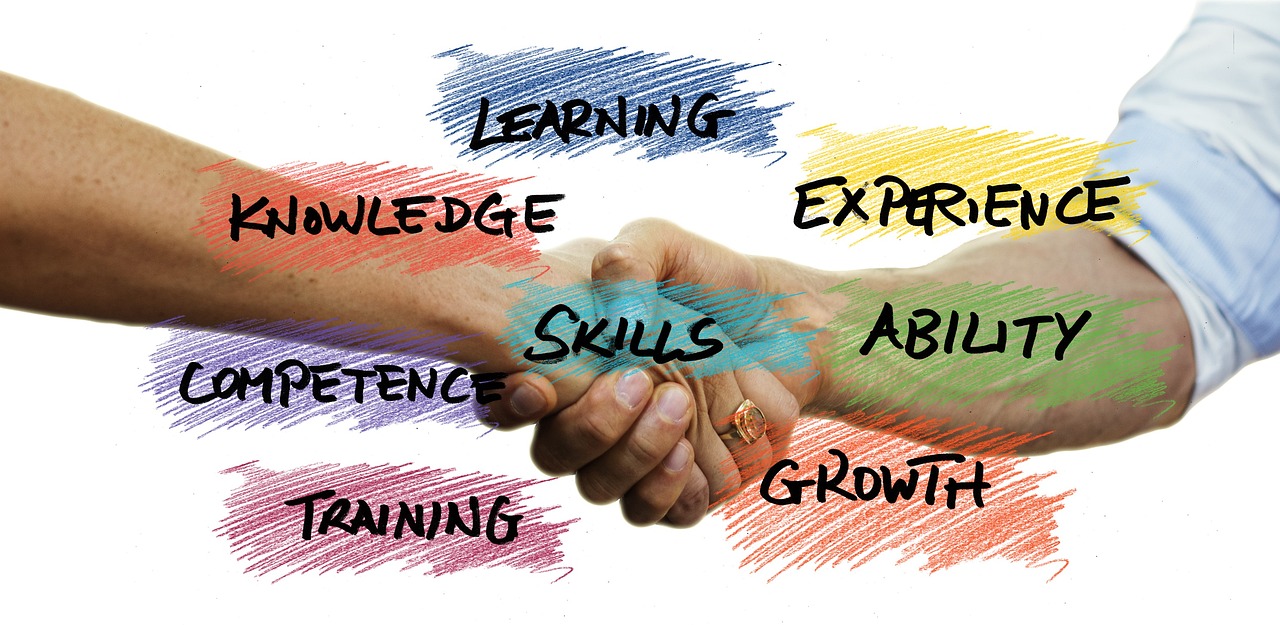
Defining a content strategy is a critical step in your social media integration for SEO journey. It's the backbone of your online presence, guiding the type and frequency of posts, and ultimately dictating how much organic traffic and brand awareness you can achieve. Think of it as a map-a clear, detailed plan that keeps your content relevant, engaging, and search-engine friendly.
Start by understanding your target audience. Who are they? What are their interests, needs, and pain points? Creating buyer personas, based on demographics, behaviors, and online interactions, can be incredibly helpful here. If you're a local plumber, your audience might include homeowners in your service area looking for tips on home maintenance, emergency plumbing issues, or local recommendations. Once you've established these personas, tailor your content to address their specific questions and concerns.
Next, identify your brand's unique voice and messaging. What sets you apart from competitors? Are you known for excellent customer service, eco-friendly practices, or innovative solutions? Weaving these differentiating factors into your content ensures consistency across all platforms. For a plumbing business, this could mean showcasing customer reviews and success stories, highlighting green initiatives, or sharing quick, useful tips on common plumbing issues.
Finally, create a content calendar to maintain a consistent posting schedule and ensure your content is diverse and engaging. This might include blog posts, how-to videos, customer testimonials, behind-the-scenes looks, or industry news. Remember, variety is key to keeping your audience interested and certifying social media specialists can help you optimize your strategy for maximum reach and engagement.
Build and Optimize Your Brand's Social Media Profiles

Building and optimizing your brand's social media profiles is a crucial step in leveraging the power of social media integration for SEO. Each platform offers unique opportunities to enhance your online presence, engage your target audience, and drive organic traffic to your website. Start by selecting the right platforms based on your industry, target market, and brand voice. B2B marketing might focus more on LinkedIn, while a visually-driven brand could benefit from Instagram and Pinterest.
Once you've chosen your platforms, create professional profiles that accurately represent your brand. Use consistent branding elements like your logo, color scheme, and tone of voice. Ensure your profile information, including your website URL and contact details, is complete and optimized for search. Reliable social media integration services can help you establish a solid foundation, ensuring your profiles are set up correctly and aligned with your SEO goals. Remember, a well-crafted profile is essential for making a strong first impression and encouraging users to click through to your site.
Content is king for social media SEO. Posting high-quality, engaging content consistently is vital for building a dedicated following and improving your brand's visibility. Utilize a mix of text, images, videos, and infographics to cater to different user preferences. Optimize your content by incorporating relevant keywords naturally, just as you would in blog posts. The goal is to create valuable, shareable content that encourages organic reach and drives traffic back to your website. If your brand specializes in home improvement, consider sharing DIY tutorials or hosting live Q&A sessions on Instagram Stories or Facebook Live, then linking these posts back to your blog for more detailed information.
Regularly analyze your social media SEO reviews and adjust your strategy accordingly. Tools like Google Analytics and social media analytics platforms can provide insights into your content performance, audience demographics, and engagement metrics. By understanding what resonates with your audience, you can refine your content strategy, experiment with new formats, and ultimately, improve your search rankings. Cost-effective social media campaigns, focused on targeted engagement and quality content, can help you achieve meaningful results without breaking the bank.
Implement Effective Social Media Advertising Campaigns

Implementing effective social media advertising campaigns is a crucial step in your social media integration for SEO strategy. A same-day social media setup, while ambitious, is possible with the right tools and approach. Begin by identifying your target audience and creating buyer personas; this ensures your content resonates with the right people. A niche SEO agency catering to local businesses would tailor content differently from a B2B marketing firm.
Choose platforms strategically based on where your target audience is most active. Don't oversaturate; focus on quality over quantity. Create a content calendar to maintain consistency and ensure a mix of engaging content types, like visual, video, and text. Remember, a top-rated social media agency emphasizes the importance of regular posting and interaction to build a community. Use hashtags and participate in relevant chats to increase organic reach.
For affordable social media integration, consider leveraging free tools and platforms to amplify your reach. Analyze your competitors' strategies and learn from their successful campaigns. Use analytics to track your performance, adjust your strategies, and measure the ROI of your social media efforts. Over time, refine your approach based on industry trends and best practices.
Measure and Analyze Performance for Continuous Improvement

Measuring and analyzing your social media integration for seo efforts is crucial for understanding what's working and where adjustments can be made. Experienced social media strategists recommend a multi-faceted approach, leveraging both built-in analytics tools and third-party software to gain a comprehensive view of your performance. Start by examining key metrics like engagement rate, reach, and follower growth on each platform. Track the average interactions (likes, comments, shares) per post to identify content that resonates best with your audience.
Next, examine the demographics of your followers. Tools like Google Analytics, when integrated with your social media profiles, can provide insights into age, gender, and geographic location of your audience. This data is invaluable for refining your content strategy to better target specific niches. For a cost-effective social media campaign, consider using platform-specific analytics to understand user behavior. Instagram Insights, for example, offers detailed information on post performance, allowing you to optimize your visual content for maximum engagement.
Regularly review these metrics to identify trends and patterns. An uptick in engagement during a specific time frame could indicate a successful campaign or a shift in user preferences. Conversely, a decline could signal the need for a change in strategy. Trusted social media optimization experts suggest setting clear, measurable goals for each campaign-be it increasing brand awareness, driving traffic to your website, or generating leads. By aligning your content with these goals and regularly measuring performance, you can ensure your social media integration for seo efforts remain focused, effective, and adaptable to evolving industry trends.
Enhance SEO with Strategic Social Media Integration

Strategic social media integration is a powerful tool for boosting your online visibility and enhancing your search engine optimization (SEO) strategy. By leveraging the vast audiences and rich data available on social media platforms, you can drive targeted organic traffic to your website and improve your Google rankings. The key lies in aligning your social media efforts with your SEO goals, creating a cohesive and effective digital marketing plan.
Consider a local bakery looking to increase its online presence and attract more customers. They can start by optimizing their Facebook page with high-quality images and engaging posts that highlight their unique offerings. Regularly posting about new baked goods, promotions, and customer testimonials can build a loyal following and encourage shares. This organic reach, fueled by genuine engagement, signals to Google that the bakery is an active, trusted business, leading to improved local SEO rankings. Licensed social media marketers can craft industry-specific content, ensuring the bakery reaches the right audience.
But social media integration for SEO goes beyond local businesses. Trusted social media optimization strategies can benefit any organization looking to expand its online reach. Incorporating relevant hashtags on Instagram can increase the discoverability of visual content, while Twitter chats allow brands to engage directly with their target audience, fostering community and showcasing thought leadership. For B2B marketing, LinkedIn offers a platform to connect with industry peers and share valuable insights, establishing your brand as a trusted authority. These tactics, when executed consistently, can drive valuable backlinks and elevate your brand's reputation, ultimately boosting your Google rankings and driving more organic traffic to your website.
In the fast-evolving digital landscape, emergency SEO services are not just about quick fixes; they're about adapting to changes in social media algorithms and trends. Staying informed about industry developments and regularly reviewing your social media strategy ensures your efforts remain effective. Utilizing analytics tools, such as those provided by social media platforms and dedicated SEO software, allows you to interpret data, measure performance, and make data-driven adjustments to your approach. By combining these practices with a well-planned social media calendar, you can create a robust, cost-effective SEO strategy that drives real results.
Frequently Asked Questions About A Step-by-Step Guide to Social Media Integration for Beginners
What is social media integration, and why is it important for businesses? Social media integration involves seamlessly connecting your website, applications, or marketing campaigns with various social media platforms. It's crucial for businesses because it allows for an unified customer experience, facilitates two-way communication, and provides valuable data insights. By integrating social media, businesses can increase brand visibility, engage with customers, and drive traffic to their online platforms.
How do I choose the right social media platforms for my business? Consider your target audience, industry norms, and business goals. Popular platforms include Facebook, Instagram, Twitter, and LinkedIn, but each serves different demographics and content types. Analyze your competitors' strategies and identify platforms where your target customers are most active. This focused approach ensures your integration efforts are tailored to reach the right people.
What are the essential steps to integrate social media successfully?
- Define your objectives: Clearly outline what you want to achieve, such as increasing brand awareness or driving sales.
- Select platforms: Choose the most relevant social media platforms based on your audience and business goals.
- Create engaging content: Develop content that aligns with each platform's format and appeals to your target audience.
- Set up accounts and profiles: Create professional accounts and optimize profiles with relevant keywords and contact information.
- Implement sharing and login options: Use social media plugins or APIs to allow users to share content or log in with their social media accounts.
- Monitor and analyze performance: Track engagement, follower growth, and other metrics to refine your strategy.
How can I create engaging social media content that resonates with my audience? Engaging content involves a mix of informative, entertaining, and interactive posts. Share industry insights, customer stories, behind-the-scenes content, and ask questions to encourage interaction. Use visuals, videos, and polls to capture attention and foster community. Regularly analyze what performs well to inform your content strategy and keep your audience interested.
What tools and resources are available to simplify social media integration? Numerous tools can streamline the process, from content management systems (CMS) with built-in social media features to social media management platforms. These tools help schedule posts, analyze performance, and manage multiple platforms from a single dashboard. Some popular options include Hootsuite, Buffer, and Sprout Social, but explore various tools to find the best fit for your business.
How can I measure the success of my social media integration efforts? Define key performance indicators (KPIs) tailored to your objectives. Metrics like engagement rate, follower growth, website traffic, and conversion rates are common indicators. Use analytics tools provided by each platform, as well as dedicated social media analytics software, to track and compare performance over time. Regularly reviewing and adjusting your strategy based on these insights ensures continuous improvement.
By seamlessly integrating social media into your SEO strategy, you can significantly boost your online visibility. Key takeaways include prioritizing platform selection based on your target audience, crafting compelling content that drives engagement, and optimizing brand profiles to enhance your social signals. Effective advertising campaigns, coupled with strategic measurement and analysis, allow for continuous improvement. Leveraging these tactics not only increases organic traffic and backlinks but also strengthens your brand's online presence and reputation. Moving forward, focus on adapting these principles to your unique business goals, continually refining your approach, and staying informed about industry trends to maximize the benefits of social media integration for SEO.
Social Media Integration for SEO: A Step-by-Step Guide
- Assess Business Goals: Understand industry needs and target audience to guide platform selection and content strategy.
- Choose Platforms Strategically: Select platforms based on audience demographics and engagement. Focus on quality over quantity.
- Content Creation: Post high-quality, engaging content consistently. Optimize with relevant keywords, visuals, and diverse formats.
- Measure and Analyze: Use built-in analytics and third-party tools to track key metrics, refine strategies, and adapt to trends.
- Strategic Integration: Align social media efforts with SEO goals for improved Google rankings and organic traffic.
- Stay Informed: Keep up with industry changes, review strategies, and leverage analytics for effective, cost-effective SEO.